
University of Alberta – Faculty of Law (Edmonton), Canada: Admissions, Programs, Fees, Eligibility & Application Guide 2026


Description
About the University and Faculty of Law
Reviewed and verified by Lawsection.in editorial team | Last Updated: June 09, 2026
The University of Alberta Faculty of Law is one of Canada’s oldest and most respected law schools, located in Edmonton, Alberta. Established in 1912, the Faculty has developed a strong reputation for legal scholarship, research excellence, Indigenous law initiatives, constitutional law, energy law, environmental law, business law, and public policy studies. As one of Canada’s leading research-intensive law schools, it attracts students, academics, lawyers, judges, and policymakers from around the world.
Students exploring legal education opportunities through our Law Colleges in Canada hub will find the University of Alberta particularly attractive due to its strong academic reputation, research-focused learning environment, competitive tuition structure compared to many North American law schools, and excellent graduate employment outcomes throughout Canada and internationally. The Faculty offers professional legal education through the Juris Doctor (JD), advanced graduate studies through the Master of Laws (LLM), and doctoral research opportunities through the PhD in Law.
University Recognition Snapshot
Institution Type
The University of Alberta is a public research-intensive university located in Edmonton, Alberta, Canada. Established in 1908, it is widely recognised as one of Canada’s leading higher education institutions and is known globally for academic excellence, innovation, professional education, and impactful research across numerous disciplines, including law.
University Status
The University of Alberta operates as a publicly funded institution under the authority of the Province of Alberta. Its degrees, diplomas, certificates, and professional qualifications are recognised by employers, governments, universities, regulatory bodies, and professional organisations throughout Canada and internationally.
Faculty of Law Recognition
The University of Alberta Faculty of Law is one of Canada’s oldest and most respected law schools. Since its establishment in 1912, the Faculty has earned a strong reputation for excellence in legal education, legal research, public policy scholarship, constitutional law, Indigenous law, energy law, environmental law, and business law.
Canadian Common Law Education
The Juris Doctor (JD) program is delivered within Canada’s common law legal system and satisfies the National Requirement established by the Federation of Law Societies of Canada. Graduates are academically eligible to pursue licensing processes in Canadian common law jurisdictions, subject to provincial admission requirements.
Government Recognition
The University of Alberta is authorised by the Government of Alberta to confer undergraduate, graduate, professional, and doctoral degrees. Its qualifications are recognised throughout Canada and internationally for employment, professional development, further education, and immigration-related purposes.
Research Excellence
The Faculty of Law is recognised for its significant contribution to legal scholarship and interdisciplinary research. Faculty members actively engage in nationally and internationally influential research covering constitutional law, Indigenous legal traditions, natural resources law, energy regulation, human rights, international law, and legal theory.
Leadership in Indigenous Law
The Faculty is nationally recognised for advancing Indigenous legal education and reconciliation initiatives. Students benefit from opportunities to study Indigenous legal traditions, Indigenous governance, treaty relationships, and contemporary issues affecting Indigenous communities within Canada’s legal framework.
Experiential Learning Opportunities
Students gain practical legal experience through moot court competitions, advocacy training, legal research projects, judicial clerkship opportunities, negotiation exercises, internships, community engagement initiatives, and various experiential learning programs designed to strengthen professional competencies.
Modern Legal Education Facilities
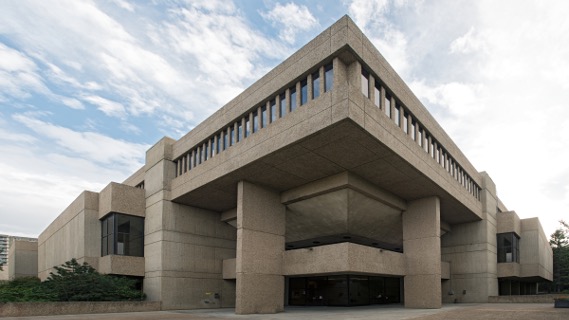
The Faculty of Law operates from the state-of-the-art Law Centre located on the University of Alberta’s North Campus in Edmonton. Students have access to advanced classrooms, collaborative learning spaces, legal technology resources, dedicated student facilities, and the renowned John A. Weir Law Library.
Strategic Edmonton Location
Located in Alberta’s capital city, the Faculty provides direct access to courts, law firms, government agencies, regulatory authorities, public institutions, corporate headquarters, and professional networks. Edmonton’s growing economy and legal market create valuable opportunities for legal education and career development.
Global Student Community
The University of Alberta attracts students from more than 150 countries and maintains a highly diverse academic environment. International students from India, the United States, Australia, New Zealand, the United Kingdom, Europe, Africa, the Middle East, and Asia choose the university for its globally recognised qualifications and research reputation.
Graduate Employability and Professional Outcomes
Graduates of the Faculty of Law pursue careers across private legal practice, government service, judiciary-related pathways, public policy, regulatory compliance, corporate legal departments, international organisations, academia, and public interest law. The Faculty’s strong alumni network further supports professional development and career progression.
Official Sources:
University of Alberta Official Website
University of Alberta Faculty of Law Official Website
Graduate Law Programs (LLM & PhD)
Federation of Law Societies of Canada
Law Programs Offered at University of Alberta – Faculty of Law (Edmonton), Canada (2026)
Explore one of Canada’s oldest and most respected law schools through the University of Alberta Faculty of Law. Located in Edmonton, Alberta, the Faculty is internationally recognised for excellence in legal education, constitutional law, Indigenous legal studies, energy and natural resources law, environmental law, business law, public policy research, and legal scholarship. The Faculty attracts aspiring lawyers, legal researchers, policymakers, academics, and legal professionals from Canada, India, the United States, Australia, New Zealand, the United Kingdom, Europe, Asia, Africa, and other regions seeking a globally respected Canadian legal education.
Professional Law Degree Programs
Juris Doctor (JD)
Duration: 3 Years Full-Time
Approx Tuition Fee: Tuition fees are revised annually by the University of Alberta. International applicants should refer to the official tuition estimator and Faculty of Law fee schedules for the most current tuition information.
Eligibility: Normally completion of at least two years of undergraduate university studies from a recognised institution. Admission is highly competitive and is based upon academic performance, LSAT score, personal achievements, leadership experience, community involvement, and holistic assessment.
Additional Requirement: LSAT score, official academic transcripts, application documentation, and satisfaction of Faculty of Law admission requirements.
English Requirement: International applicants must satisfy the University of Alberta English Language Proficiency requirements where applicable.
Campus: Edmonton Campus, Alberta, Canada
Available Intake: September
Program Highlights: Canadian Common Law, Constitutional Law, Administrative Law, Criminal Law, Indigenous Legal Traditions, Business Law, Environmental Law, Energy Law, Human Rights Law, Legal Research & Writing, Advocacy, Clinical Learning Opportunities, Moot Court Competitions, and Professional Skills Development.
Official Program Source:
View Official Juris Doctor (JD) Program
Graduate Law Programs
Master of Laws (LLM)
Duration: Typically 1 Year Full-Time
Approx Tuition Fee: Graduate tuition fees are subject to annual revision by the University of Alberta.
Eligibility: Juris Doctor (JD), Bachelor of Laws (LLB), or an equivalent law degree from a recognised institution with satisfactory academic standing.
Additional Requirement: Academic references, supporting documents, and compliance with Faculty of Graduate & Postdoctoral Studies requirements.
English Requirement: Graduate-level English language proficiency requirements apply for international applicants.
Campus: Edmonton Campus, Alberta, Canada
Available Intake: September
Program Highlights: Advanced Legal Research, Constitutional Law, Indigenous Law, Environmental Law, Energy Law, International Law, Human Rights Law, Business Law, Legal Theory, and Interdisciplinary Legal Studies.
Official Program Source:
View Official Master of Laws (LLM) Program
Doctoral Research Program
Doctor of Philosophy (PhD) in Law
Duration: Typically 4 Years Full-Time
Approx Tuition Fee: Doctoral tuition fees vary annually according to University regulations and fee schedules.
Eligibility: Master of Laws (LLM) or equivalent graduate legal qualification from a recognised institution with strong academic credentials and demonstrated research ability.
Additional Requirement: Research proposal, academic references, supervisor availability, and admission approval by the Faculty and Graduate Studies.
English Requirement: Graduate-level English language proficiency requirements apply where applicable.
Campus: Edmonton Campus, Alberta, Canada
Available Intake: Primarily September
Program Highlights: Advanced Legal Scholarship, Original Legal Research, Public Law, Constitutional Law, Indigenous Legal Studies, Environmental Law, Business Regulation, International Legal Research, and Academic Career Preparation.
Official Program Source:
View Official PhD in Law Program
Combined & Interdisciplinary Law Opportunities
Combined Degree and Interdisciplinary Learning Opportunities
Program Type: Dual Degree and Interdisciplinary Academic Opportunities
Availability: Subject to Faculty and University Regulations
Eligibility: Program-Specific Admission Requirements
Campus: Edmonton Campus, Alberta, Canada
Highlights: Opportunities to combine legal education with business, public policy, governance, research, and interdisciplinary academic fields while developing broader professional expertise for leadership roles in law, government, industry, and academia.
Official Faculty Source:
View Faculty of Law Opportunities
Important Note for International Students
As of June 2026, the University of Alberta Faculty of Law offers the nationally recognised Juris Doctor (JD), Master of Laws (LLM), and Doctor of Philosophy (PhD) in Law programs. Program availability, admission requirements, LSAT policies, tuition fees, scholarships, English language standards, Canadian immigration regulations, licensing requirements, and study permit policies may change periodically. Applicants should always verify the latest information directly through official University of Alberta and Faculty of Law sources before making any admission, financial, licensing, or immigration decision.
Official University Website:
University of Alberta
Official Faculty of Law Website:
Faculty of Law
Official Admissions Information:
View Official Admissions Information
Official Graduate Programs:
View Official Graduate Law Programs
Why Choose University of Alberta Faculty of Law?
The University of Alberta Faculty of Law is one of Canada’s most established law schools, offering a combination of academic excellence, practical legal training, research opportunities, and strong professional outcomes. Students seeking a Canadian legal education with national recognition and international credibility may find the Faculty particularly attractive for the following reasons:
Documents Required for Admission at University of Alberta, Faculty of Law
Prospective students should prepare a complete application package before submitting their admission application.
- Official transcripts from all secondary, undergraduate, and postgraduate institutions attended.
- Certified translations where documents are not issued in English.
- Graduation certificates, diplomas, or provisional degree documents.
- ELTS Academic, TOEFL iBT, PTE Academic, or other accepted English tests (where applicable).
- Official LSAT results submitted through the appropriate admission process.
- Scores must meet University of Alberta requirements.
- Letters of Recommendation (required for advanced and research programs)
- Valid passport copy for international application and visa processing
- Documents demonstrating ability to fund tuition fees and living expenses.
- Proof of available funds for tuition, living expenses, and study permit requirements.
- Awards, achievements, publications, leadership experiences, community service, and professional accomplishments where relevant.
How to Apply
International applicants should carefully follow the official University of Alberta admissions process.
- Review program-specific admission requirements on the Faculty of Law website.
- Verify eligibility, academic qualifications, and English language requirements.
- Prepare all academic and supporting documents.
- Complete the online University of Alberta application.
- Upload all required documents before the applicable deadline.
- Pay the application fee.
- Submit LSAT results (for JD applicants).
- Submit references and research documents where required.
- Monitor application status through the University applicant portal.
- Accept admission offer if successful.
- Pay required tuition deposit.
- Apply for a Canadian Study Permit.
- Arrange accommodation, health insurance, and travel plans before arrival in Edmonton.
Other Universities and Law Schools in Edmonton
Although the University of Alberta Faculty of Law is Edmonton’s primary and most established law school, prospective students may also consider other higher education institutions located within Edmonton that offer related legal, justice, public policy, governance, criminology, and regulatory studies programs.
University of Alberta
The city’s premier law school and the primary destination for JD, LLM, PhD, and advanced legal research programs.
MacEwan University
Offers strong undergraduate pathways in political science, governance, criminal justice, public administration, and related disciplines that can support future legal studies.
Concordia University of Edmonton
Provides undergraduate programs in social sciences, political studies, public administration, and ethics-related disciplines relevant to pre-law preparation.
King’s University
Offers liberal arts, political science, ethics, and humanities programs that can serve as foundations for future law school applicants.
Northern Alberta Institute of Technology (NAIT)
Provides programs in business, governance, public administration, regulatory compliance, and related professional fields complementing legal careers.
Editorial Review Statement – This Listing has been researched and reviewed by the Lawsection.in Editorial Team using official University of Alberta publications, Faculty of Law resources, Graduate Studies materials, and institutional admissions information. Information has been prepared for educational purposes and should be independently verified through official University sources before making any admission or immigration decisions.

Continue Learning (Previous Guide)
Choosing the Right Law College for LLM Abroad?
LLM abroad helps Indian law graduates gain international exposure, specialised legal knowledge, and global career opportunities.
Related Guide for Students want to study in Canada
Students interested in pursuing legal education in Canada can also explore:
- Complete Guide to Study Law Abroad
- Law Colleges in Canada
- PR Pathways After LLM in Canada (2026–2027): Immigration Options for Law Graduates
- Best One-Year LLM Programs in Canada (2026–2027): Fast-Track Law Degrees
- BEST SPECIALIZATIONS IN LLM CANADA (CORPORATE LAW, IP, BUSINESS LAW) WITH SALARY 2026
- Cost of Studying LLM in Canada (2026): Fees, Living Expenses & Scholarships
- Jobs After LLM in Canada (2026): Salary, Law Firms, Work Permit & Reality for Indian Lawyers
- Can Indian Lawyers Practice in Canada? NCA Process Explained (2026 Step-by-Step Guide)
- Is LLM in Canada Worth It in 2026? Salary vs Cost vs PR Reality
- LLM in Canada Visa & PR Pathway (2026): Study Permit, PGWP & Immigration Strategy
Related Guides for LLM in Canada
Planning to pursue an LLM in Canada? Explore our carefully curated and verified guides covering top-ranked law universities across Canada. These resources provide clear and structured insights into admission requirements, eligibility criteria, tuition fees, intake periods, scholarships, and career opportunities — all based on official university sources and updated for 2026.


Address






Cardiff Metropolitan University, UK – Law Courses, Fees, Eligibility, Admissions 2026
- Government
- LLB (3 Years), LLM Abroad, Juris Doctor (JD), PhD in Law




Wrexham University Law Courses in UK (2026): Fees, Entry Requirements, Admissions & Student Guide
- Government
- LLB (3 Years), LLM Abroad, Juris Doctor (JD), PhD in Law



Cardiff University, UK – Law Courses, Fees, Admission Requirements & Study Opportunities (2026)
- Government
- LLB (3 Years), LLM Abroad, Juris Doctor (JD), PhD in Law


Swansea University Law School (UK): Courses, Fees, Eligibility, Admissions, Rankings & Study Guide 2026
- Government
- LLB (3 Years), LLM Abroad, Juris Doctor (JD), PhD in Law
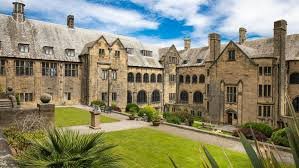

Bangor University, UK – Law Courses, Fees, Eligibility, Admissions & Bangor Law School Guide (2026)
- Government
- LLB (3 Years), LLM Abroad, Juris Doctor (JD), PhD in Law



Queensland University of Technology Law School Australia: Courses, Fees, Eligibility, Admissions & Career Opportunities 2026
- Government
- LLB (3 Years), LLM Abroad, Juris Doctor (JD), Doctor of Juridicial Science (S.J.D), PhD in Law



Griffith University, Australia – Complete Guide to Law Programs, Fees, Eligibility, Campuses & Admissions (2026)
- Government
- LLB (3 Years), LLM Abroad, Juris Doctor (JD), Doctor of Juridicial Science (S.J.D), PhD in Law
